



 Thursday, 19 February 2026 15:22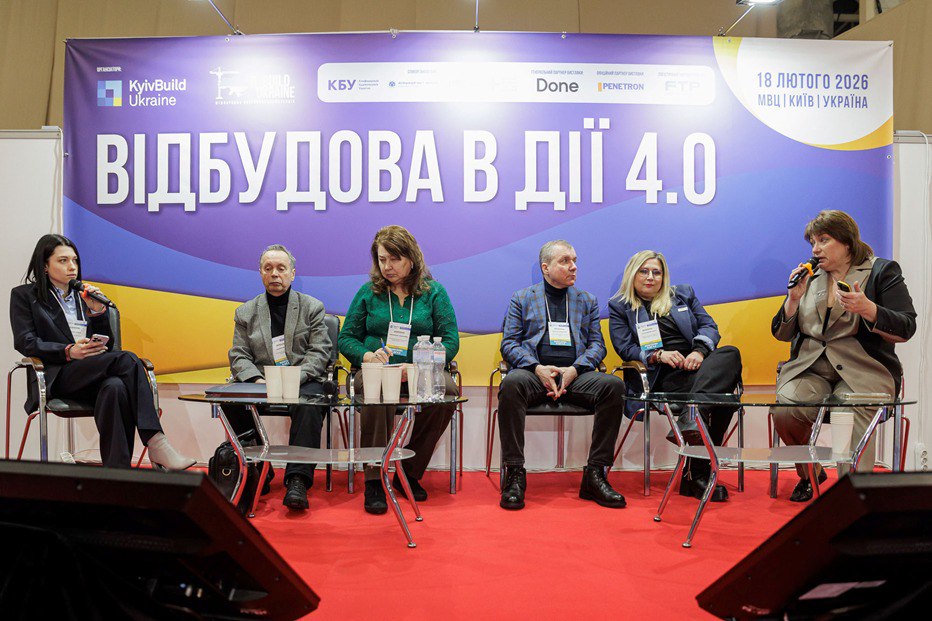
📍 Updating building codes and modern standards: practical steps towards safe and sustainable reconstruction
On February 18, 2026, as part of the “Reconstruction in Action 4.0” forum-workshop at the KyivBuild Ukraine 2026 International Construction Exhibition, a thematic panel discussion entitled “Updating current building codes and standards” was held. Participants discussed the specifics of state financing for projects in 2026, analyzed new State Building Regulations (DBN) on safety and shelters, as well as rapid technological solutions for reconstruction.
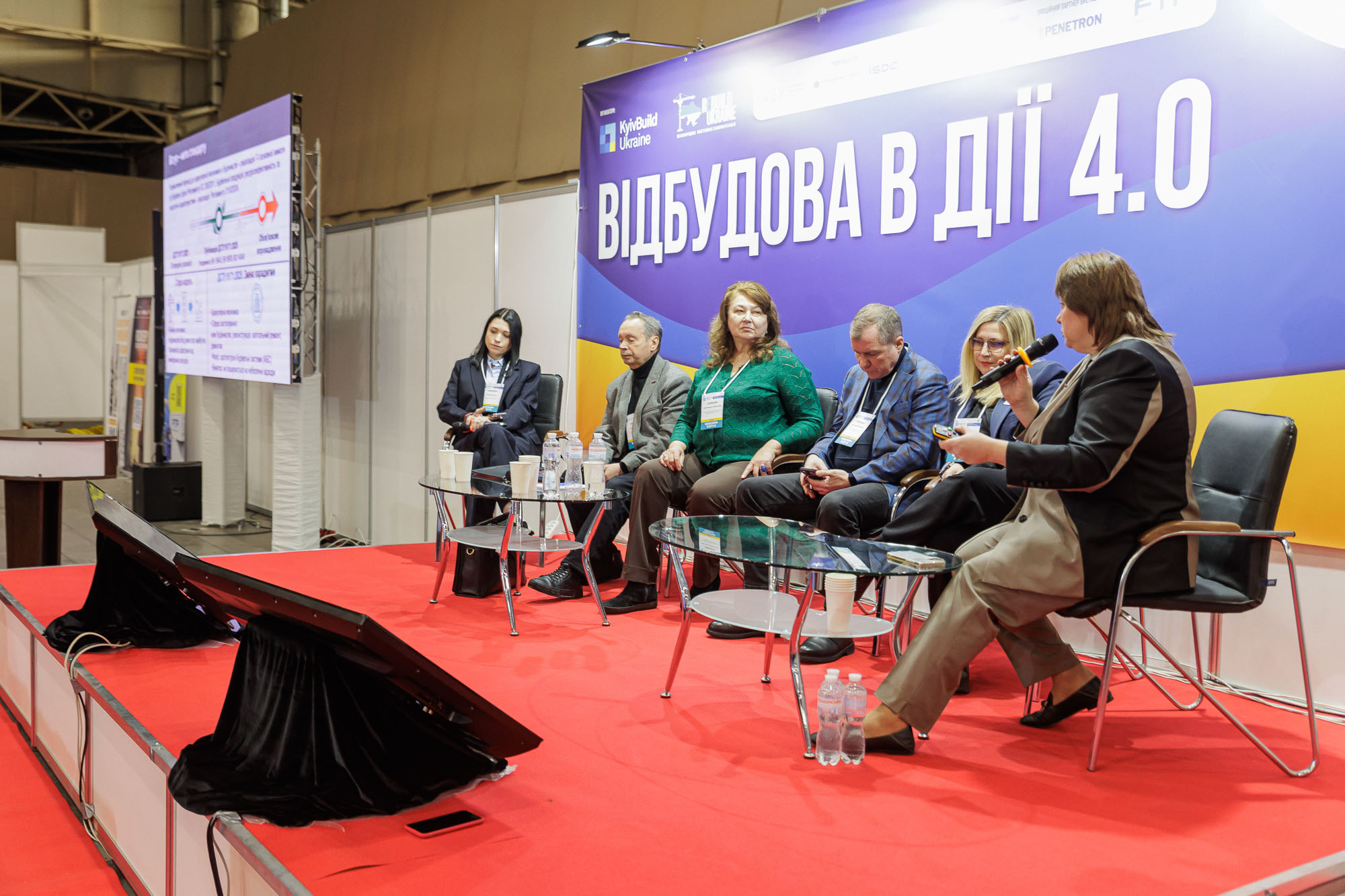
💭 Olga Sydorchuk, Chair of the CBU Committee on Legislative and Regulatory Activities and partner at Altelaw&Sempra law firm, opened the panel by emphasizing: "When designing construction projects, it is very difficult not to get confused by the DBN and DSTU standards, so today we will consider the issue of their updating policy. Updating the regulatory framework, ensuring its consistency and clarity for market participants is a prerequisite for improving the quality of design, reducing regulatory risks, and ensuring the effective implementation of construction projects in today's environment."
🗒 The DBN update policy provides for the comprehensive application of approximately 110 standards that regulate requirements for safety, inclusiveness, sustainability, and engineering systems, as well as simplify the design of protective structures.
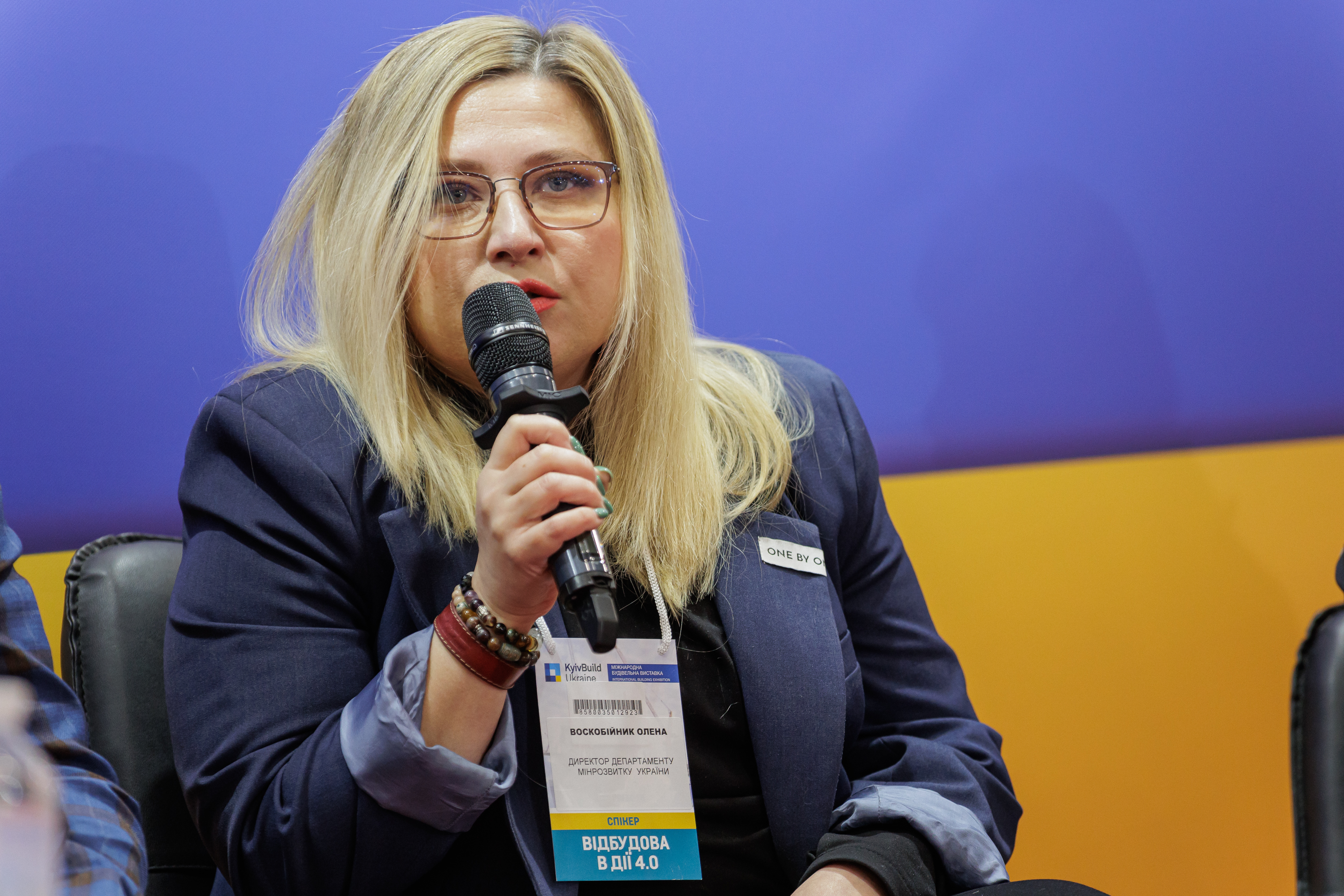
💭 Olena Voskobiynyk, Director of the Department of Technical Regulation in Construction at the Ministry of Community and Territorial Development of Ukraine, emphasized: “The regulatory framework for construction is one of the key aspects on which modern reconstruction should be based, which will comply with best practices and create a modern, reliable, safe, and environmentally friendly environment in our country.”
✅ The new DBN “Bridges and Pipes” replaces the 2009 standards and reflects the current needs of transport infrastructure development. The document was developed taking into account the needs of people with limited mobility, the current specifics of transport connections, and practical experience in design and operation, which was not fully taken into account in the previous edition.
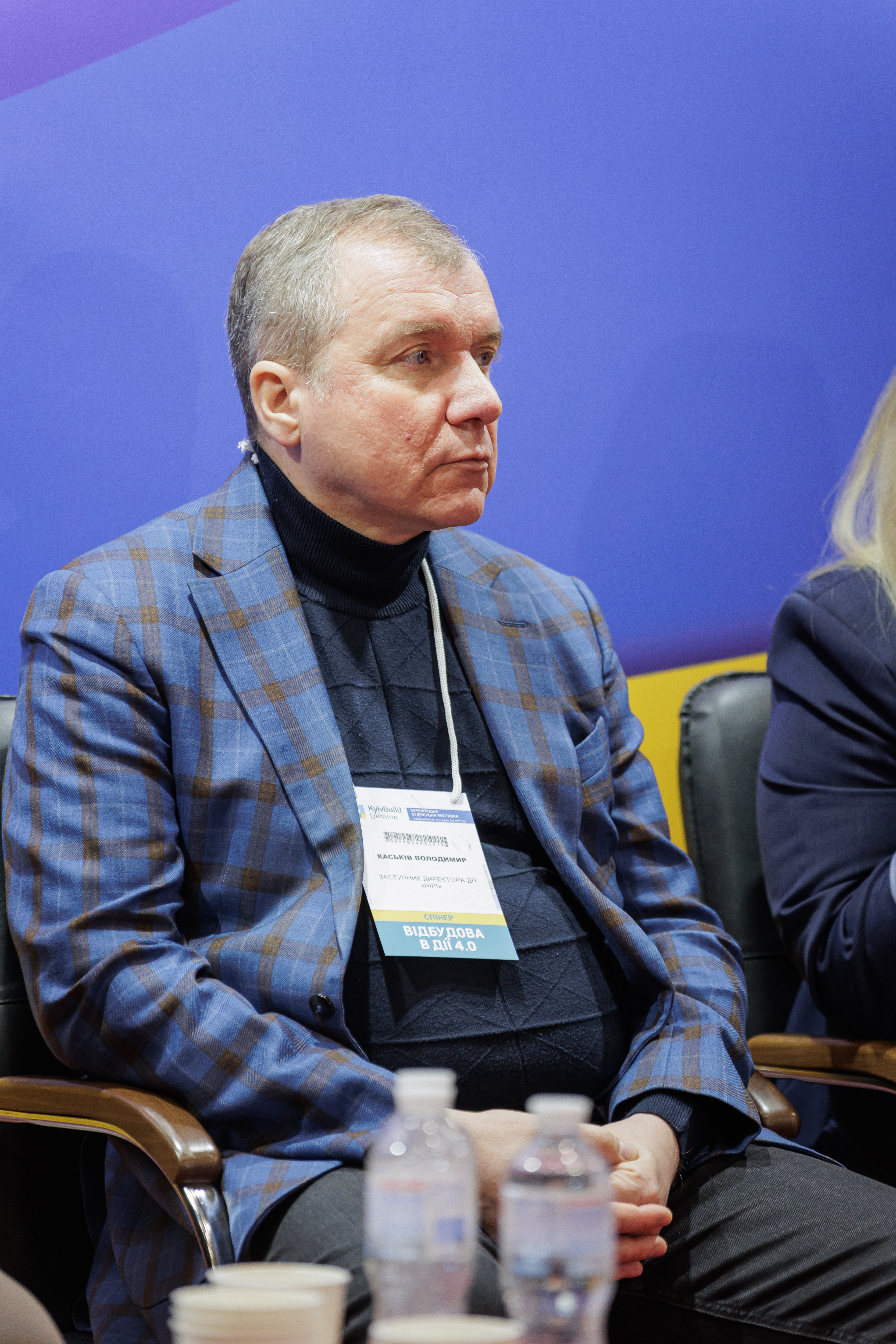
💭 Volodymyr Kaskiv, Deputy Director for Scientific Work at the National Institute for Infrastructure Development, Ph.D., noted: "Today, the issues of mobility and infrastructure accessibility have become particularly relevant. In the 2009 DBN, these aspects were effectively left out of the regulatory framework, so they were taken into account when preparing the new edition."
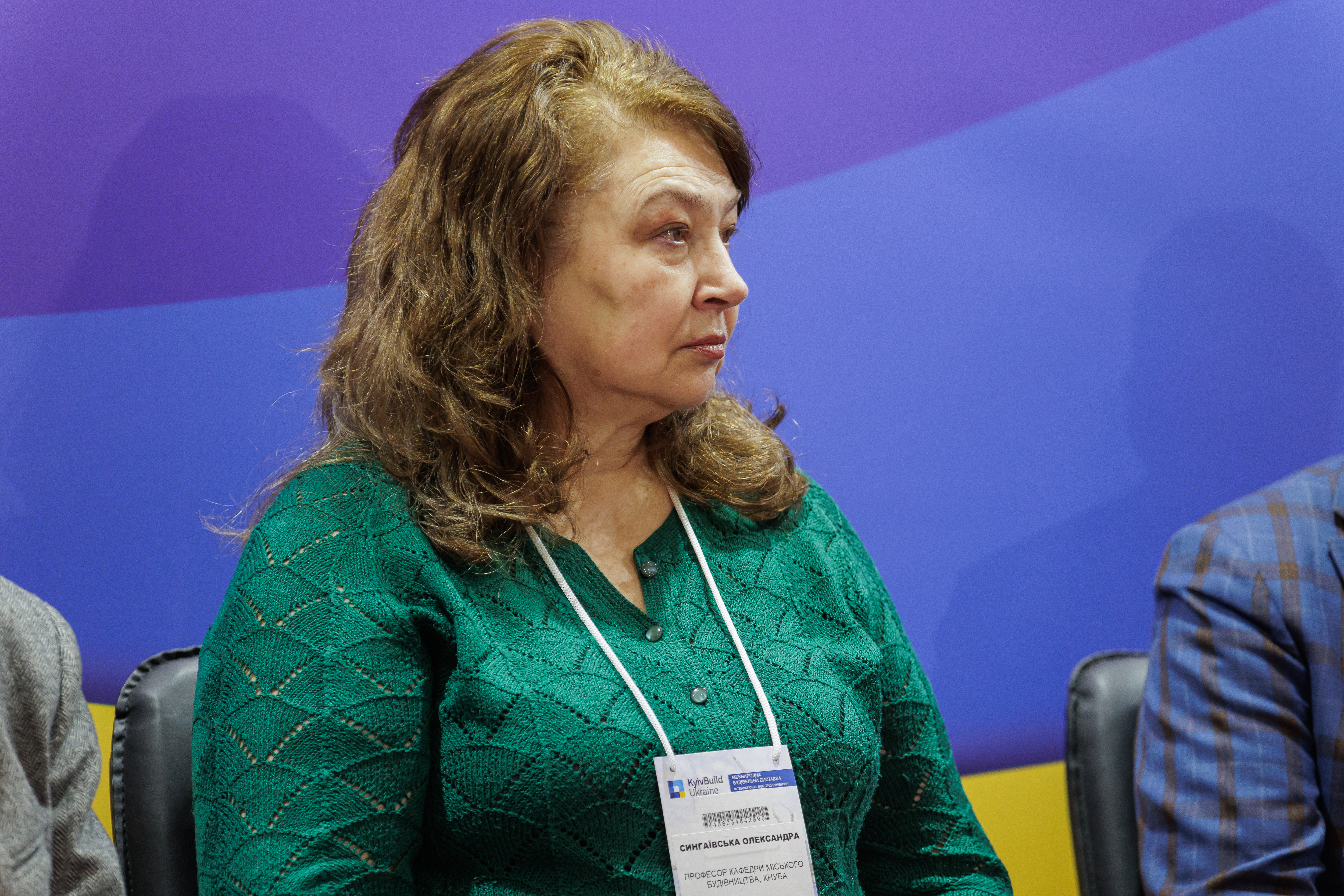
🦽 Oleksandra Syngaivska, Professor of the Department of Urban Construction at Kyiv National University of Construction and Architecture, said that the amendments to DBN B.2.2-12:2019 “Planning and Development of Territories” are aimed at improving approaches to the comprehensive and safe development of communities, taking into account modern challenges. The changes strengthen requirements for inclusiveness, accessibility, civil protection, transport accessibility, as well as rational use of territories and the formation of a high-quality urban environment. The document brings urban planning decisions closer to European principles of sustainable and people-oriented planning.
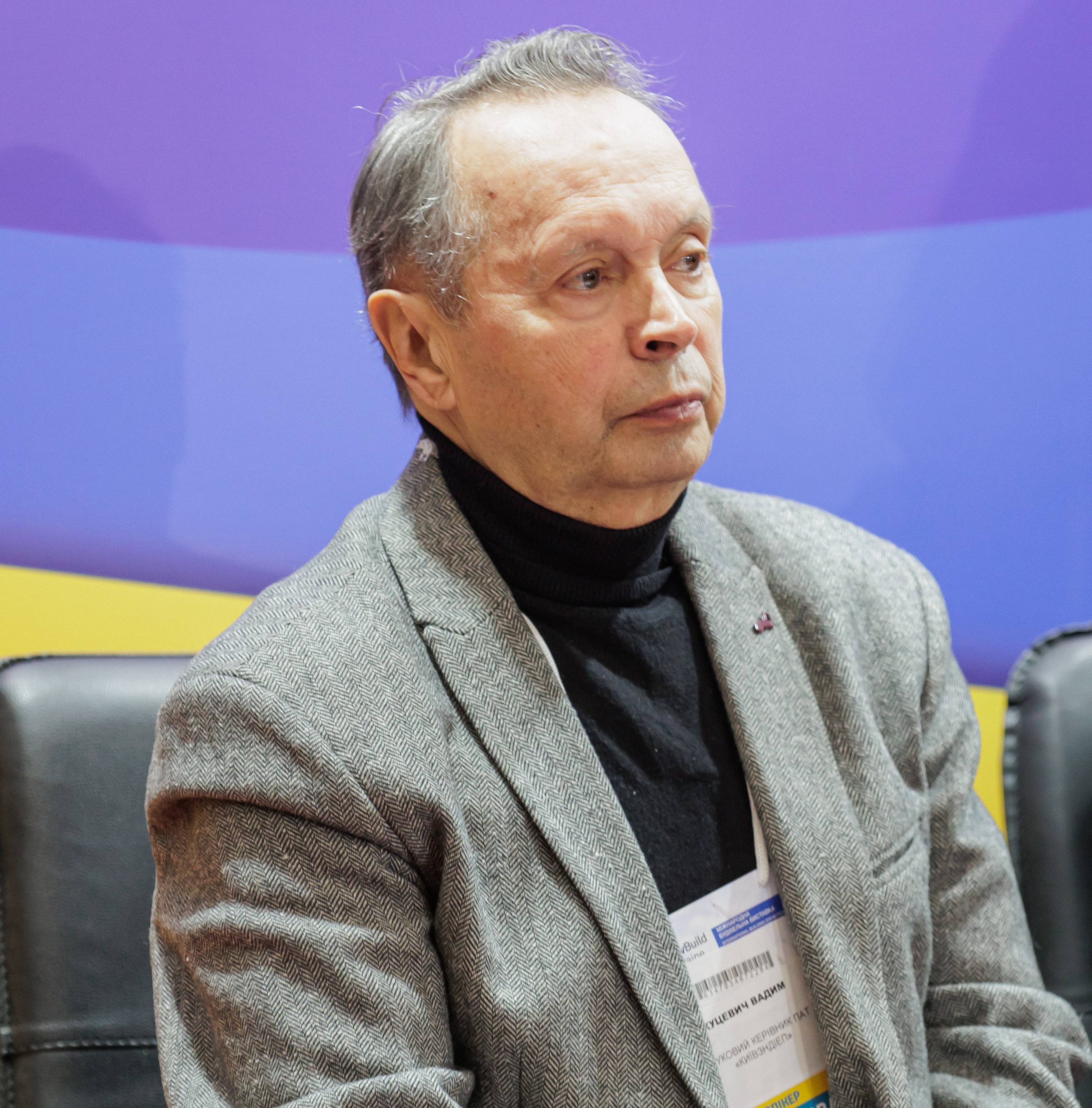
💭 Vadym Kutsevych, Deputy Director for Scientific Activities at KyivZNDIEP PJSC, Honored Architect of Ukraine, shared: “The new amendments to DBN V.2.2-40:2018 ”Inclusiveness of buildings and structures. Basic provisions" reflect modern approaches to accessibility. Since independence, we have initiated the development of accessibility and inclusiveness issues to ensure that buildings and structures are convenient and safe for all population groups."
🎗 The document details the requirements for the planning of public and residential buildings and provides for the adaptation of space, equipment, and routes of movement to make them convenient and safe. The updated provisions also take into account modern technologies and practical experience in applying the principles of inclusiveness, which ensures equal opportunities for users of all ages and physical abilities. In addition, the changes emphasize the importance of an integrated approach to design that combines architectural, construction, and social aspects.
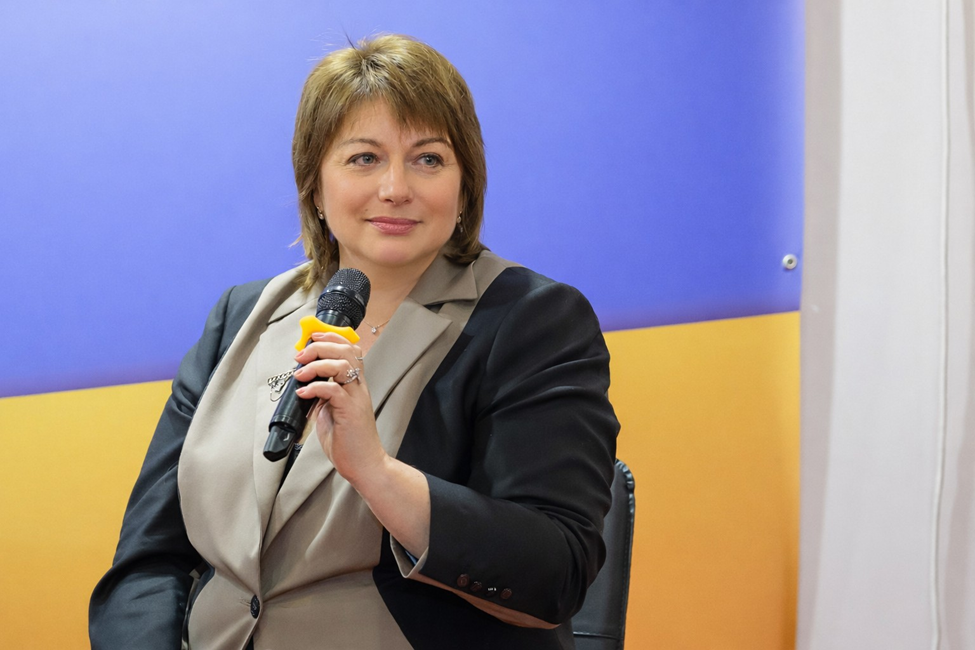
💭 Svitlana Berzina, President of the Living Planet NGO, emphasized: "It is better to move from abstract slogans to clear criteria and assessment methods—this is exactly what the updated DSTU 9171:2025 is about. Taking into account the results of a survey of construction industry participants, we plan to develop a training manual and integrate its content into training certification courses to improve the qualifications of architects, designers, builders, and appraisers."
🌐 The implementation of circular economy principles in construction is an important step towards improving resource efficiency and reducing the industry's impact on the environment. New approaches cover the entire life cycle of objects — from new construction and reconstruction to major repairs and demolition — with a focus on architectural and construction systems and the possibility of reusing materials and structures (with the exception of hazardous waste).
🏗 In particular, key areas of development remain the improvement of standards and market surveillance, the digitization of construction documentation, the strengthening of environmental requirements, and the integration of sustainable development principles. This approach will contribute to improving the quality of construction, the transparency of processes, and the formation of a modern, resource-efficient construction industry.
🏙 The new edition of DSTU 9171:2025 establishes modern requirements for the balanced use of natural resources in the design of buildings and structures, taking into account their entire life cycle. The document focuses on improving resource efficiency, reducing environmental impact, and using energy-saving solutions, renewable and secondary materials.
📈 Special attention is paid to the integration of waste management into reconstruction processes. In communities where separate collection and recycling have been implemented, the amount of waste going to landfills has been reduced by 60%, which extends the landfill's service life and confirms the effectiveness of a systematic approach to sustainable restoration.
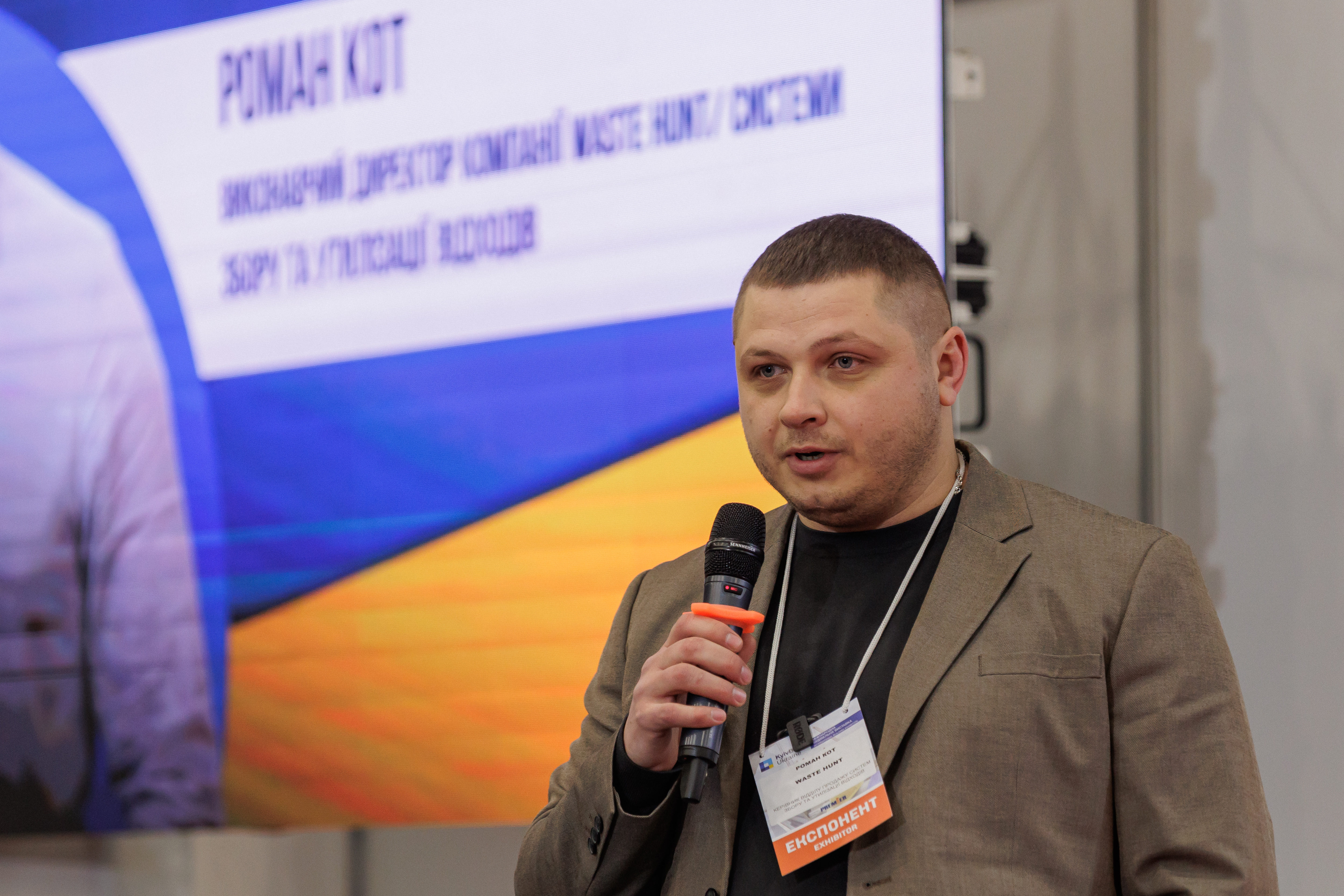
💭 Roman Kot, Executive Director of Waste Hunt: "Today, we talk a lot about restoring communities, rebuilding residential complexes, infrastructure, and social facilities, shaping the environment for the future life of our residents. At the same time, it is important that these processes are treated not only as the construction of individual facilities, but as the creation of a comprehensive system that will work effectively for many years."
📈 The speaker paid special attention to the integration of waste management into the reconstruction process. In communities where separate collection and recycling have been implemented, the amount of waste going to landfills has been reduced by 60%, which extends the landfill's service life and confirms the effectiveness of a systematic approach to sustainable recovery.
We would like to thank all participants of the thematic panel for their meaningful discussion and active participation in the reconstruction of Ukraine!
📌 Forum-workshop organizer: ReBuild Ukraine and KyivBuild Ukraine 2026.
WE WILL WIN AND WE WILL REBUILD EVERYTHING! 💪
TOGETHER TO VICTORY!
GLORY TO UKRAINE! 💙💛